
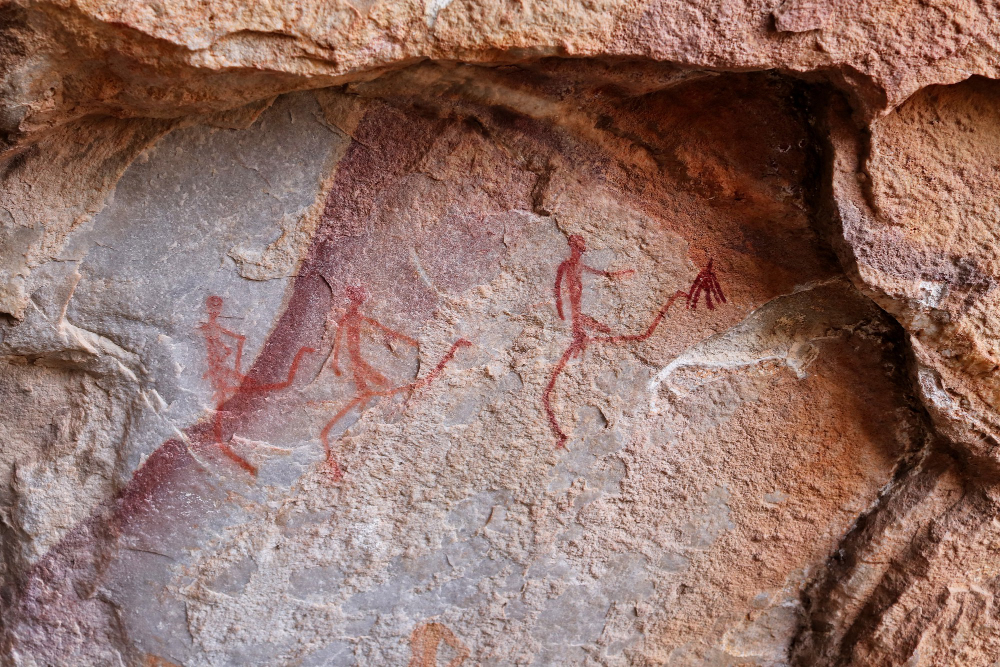
Chinese archaeologists have discovered rock carvings dating back more than 4.2 thousand years in Yunnan Province in southwestern China. The discovery was made by the Provincial Institute of Cultural Heritage and Archaeology in collaboration with Nanjing Pedagogical University during excavations in the Lincang area. According to China Central Television, the researchers note that the finds help to recreate a complete chronological picture of the appearance of rock carvings in the region.
The new data and their systematization give scientists the opportunity to better understand the evolution of prehistoric art not only in China, but also in the continental part of Southeast Asia. There are more than 100 rock art monuments in Yunnan and the neighboring Guangxi Zhuang Autonomous Region, which vary significantly in style. These images provide an insight into the way of life, religion, and culture of the peoples who inhabited Southwestern China and the Indochina Peninsula several thousand years ago.
The discovery contributes to the study of the ancient history of the region and confirms the rich cultural heritage of Yunnan. Archaeologists will continue their research to clarify the dates and identify possible links between local rock carvings and similar monuments in neighboring countries. This will allow for a better understanding of cultural contacts and migration processes in prehistoric Asia.